



A stretch ceiling is a flexible membrane system under tension for ceilings and walls. Learn how it works, the types (translucent, coloured, acoustic, printed), and its advantages.
IWhat Is a Stretch Ceiling?
A stretch ceiling is a constructive system comprising a flexible membrane — typically made of PVC or a similar technical material — installed under tension on structural profiles. This system allows the creation of continuous, flat or curved surfaces that can be applied to ceilings, walls, and decorative elements.
Its main characteristic is a seamless, uniform finish with a high level of aesthetic precision.
How Does a Stretch Ceiling Work?
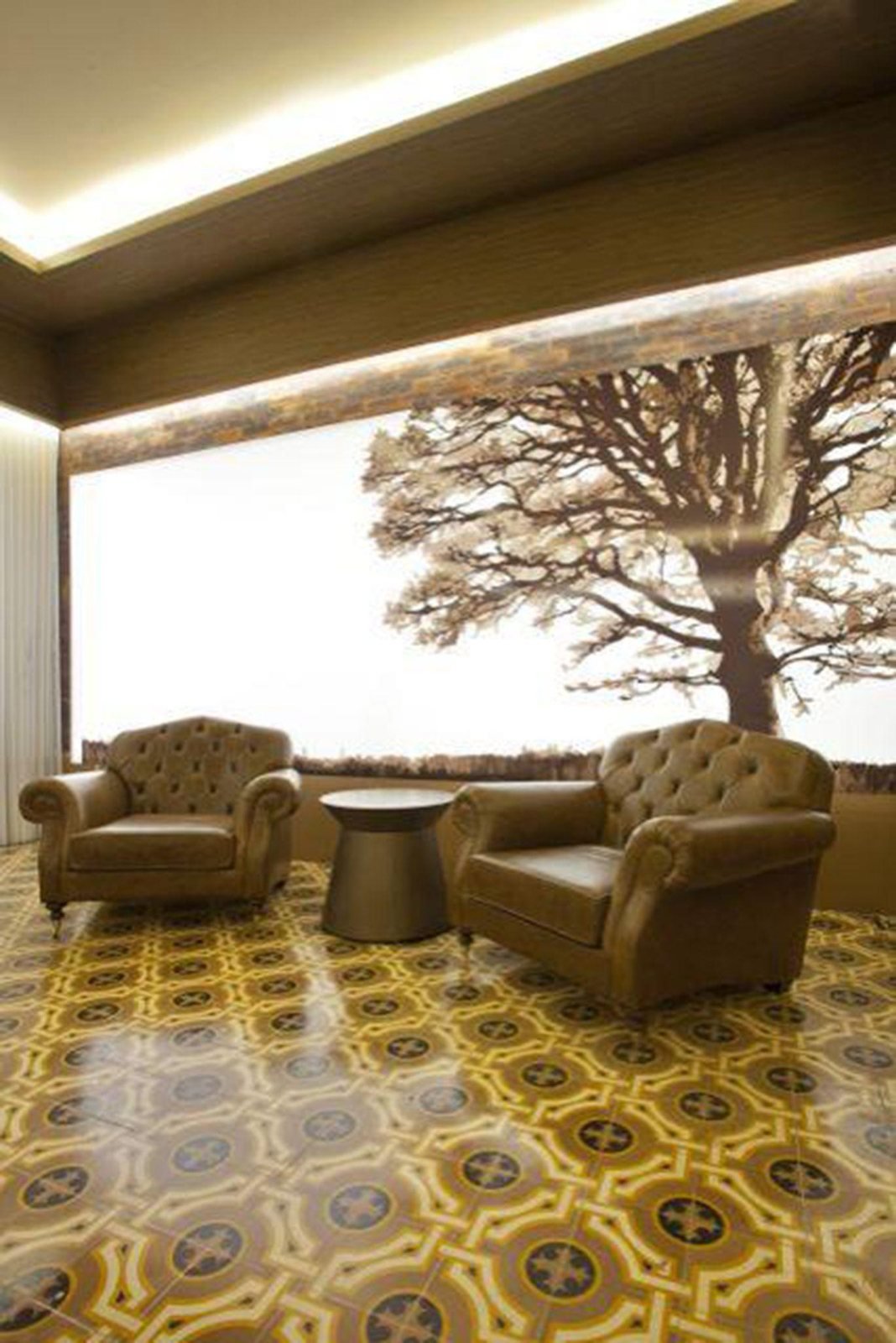
Installation is carried out using profiles fixed to the room structure. The membrane is then tensioned and clipped into these profiles, ensuring stability and a precise finish. In the case of translucent membranes, the system can be combined with LED lighting positioned behind the surface, creating an effect of diffuse lighting. This combination transforms individual light points into continuous luminous planes, elevating the technical and visual quality of the project.
IIITypes of Stretch Ceilings from Maxime
The choice of membrane depends directly on the project’s objectives. Maxime offers solutions that meet a range of technical and aesthetic requirements.
Translucent Membrane
Allows light to pass through and is ideal for projects featuring diffuse lighting. Widely used in illuminated ceilings and panels that seek luminous uniformity and sophistication.
Coloured Membrane
Suited to projects that explore visual identity and aesthetic composition. Enables colour to be integrated into the architecture, creating more expressive environments.
Acoustic Membrane
Developed to contribute to acoustic comfort, helping to absorb sound and improve the acoustic quality of the space. Ideal for corporate environments, recording studios, and high-end residential projects.
Printed Membrane
Allows high-resolution printing directly on the surface. Used to create decorative panels, murals, branded spaces, and unique environments with a high level of visual customisation.
IVAdvantages of Stretch Ceilings
In addition to their aesthetic versatility, stretch ceilings offer a range of technical advantages.
- Seamless, uniform finish;
- Easy installation without generating construction waste;
- Compatibility with architectural and integrated lighting systems;
- Fire resistance and washable surface;
- Customisation to virtually any size and shape;
- Durability and low maintenance.
When Should You Use a Stretch Ceiling?
The stretch ceiling is especially indicated when the project demands:
- Uniform ceilings without visible joints;
- Integration of lighting into the architecture;
- Translucent surfaces with diffuse backlit effect;
- Decorative panels with custom print;
- Acoustic comfort combined with aesthetic finishing.
If your project requires a technically superior and visually refined solution, the stretch ceiling may be exactly what you are looking for. Get in touch with Maxime via WhatsApp.
VIFrequently Asked Questions
Is a stretch ceiling the same as a false ceiling?
Not exactly. While both are applied above floor level, a stretch ceiling is a tensioned membrane system, whereas a false ceiling uses rigid panels such as plasterboard or fibre cement. The stretch ceiling delivers a seamless, continuous finish.
Can a stretch ceiling be used on walls?
Yes. The system can be applied to walls, creating decorative panels and illuminated surfaces. It is widely used in closets, headboards, and corporate spaces.
Is it possible to install lighting behind a stretch ceiling?
Yes — this is one of the most common applications. The translucent membrane, combined with LED lighting positioned behind it, creates continuous luminous surfaces with uniform diffuse lighting.
Tem um projeto em mente? Nossa equipe estuda o seu espaço e propõe soluções sob medida — converse pelo WhatsApp.